
Peptides and performance: Evidence, benefits, and cautions


TL;DR:
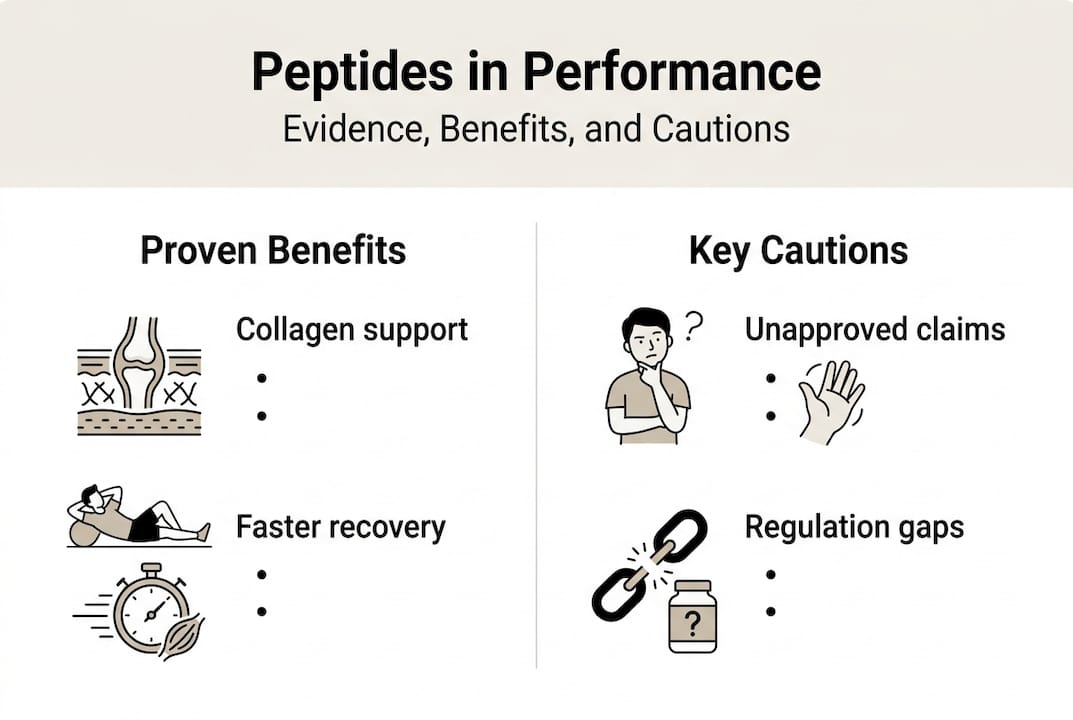
- Some peptides like collagen and plant hydrolysates have science-backed benefits for muscle and recovery.
- Many performance-related peptides lack sufficient human research and are often banned or risky.
- Safety depends on sourcing, verification, and understanding the limited effects of well-studied peptides.
Peptides are everywhere in the fitness world right now. Gym forums, influencer feeds, and supplement ads all promise dramatic gains in muscle, recovery, and fat loss. But here’s the uncomfortable truth: most athletes can’t separate the well-researched compounds from the ones riding pure hype. Some peptides have genuine, study-backed benefits. Others are untested in humans, banned by sports authorities, or potentially risky. This article breaks down what the science actually shows, which peptides are worth considering, and how to avoid the traps that catch even experienced athletes off guard.
Table of Contents
- What are peptides and how do they work?
- Evidence-backed benefits of nutritional peptides
- Controversial and under-researched peptides: Hype vs reality
- Key considerations for safe and effective peptide use
- Why the peptide hype needs a reality check
- Next steps: Finding trusted information and products
- Frequently asked questions
Key Takeaways
| Point | Details |
|---|---|
| Peptides defined | Peptides are short chains of amino acids that signal and support various body functions, including recovery and muscle growth. |
| Research-backed benefits | Collagen and plant-based peptides offer modest, proven gains in strength and recovery when paired with training. |
| Beware peptide hype | Performance peptides are often overhyped or lack human studies, and some are banned or have safety risks. |
| Safety first | Always verify peptide quality, legal status, and evidence before supplementing for athletic goals. |
| Maximize through training | Peptides work best as a complement to proper training, not a shortcut to performance. |
What are peptides and how do they work?
Before diving into the research on performance, it’s essential to clarify exactly what peptides are and why they’re unique compared to other supplements.
Peptides are short chains of amino acids distinct from full proteins, with unique biological activity. While a protein might contain hundreds of amino acids folded into a complex structure, a peptide typically contains between 2 and 50 amino acids. That smaller size matters because it changes how the molecule is absorbed, transported, and recognized by your body’s receptors.
Single amino acids act as building blocks. Proteins act as structures and enzymes. Peptides act as messengers. They can bind to specific receptors, trigger hormonal responses, and influence processes like inflammation, tissue repair, and metabolism. That’s what makes them interesting for athletic performance, not just as fuel, but as biological signals.
The peptide vs protein differences matter practically too. Peptides are generally faster to absorb than whole proteins because they require less digestion. Hydrolyzed peptides, where proteins are broken down into smaller fragments through enzymatic processing, can enter the bloodstream more quickly and reach target tissues faster.
Here’s a quick breakdown of the most common peptide categories athletes use:
- Collagen peptides: Derived from animal connective tissue, primarily used for joint health, skin, and lean mass support
- Whey hydrolysates: Fast-absorbing fragments of whey protein, popular for post-workout recovery
- Plant-based hydrolysates: Peptides from sources like fava bean or pea protein, gaining traction in research
- Regenerative peptides: Synthetic compounds like BPC-157 and TB-500, used off-label for tissue repair
- Growth hormone secretagogues (GHS): Compounds that stimulate the pituitary to release growth hormone
The scientific explanation of peptide effects confirms that the main mechanisms include supporting protein synthesis, modulating inflammatory pathways, and influencing metabolic signaling. Not all peptides work the same way, which is exactly why lumping them together as “performance boosters” is misleading.
Pro Tip: When evaluating any peptide supplement, ask whether the research was done on the specific peptide in the product or just on the parent protein. That distinction changes everything about whether you can expect results.
Evidence-backed benefits of nutritional peptides
Now that you understand what peptides are, let’s look at which benefits are actually supported by human studies.
The most credible evidence centers on two categories: collagen peptides and plant or whey protein hydrolysates. These have been tested in randomized controlled trials on real athletes and active adults, not just in cell cultures or rodents.
| Peptide type | Key benefit | Population studied | Effect vs placebo |
|---|---|---|---|
| Collagen peptides | Fat-free mass, muscle strength, fat loss | Resistance-trained adults | Significant improvement |
| Vicia faba hydrolysate | Leg strength, endurance, bone mineral content | Healthy adults | Significant improvement |
| Whey hydrolysate | Recovery speed, muscle protein synthesis | Active individuals | Moderate improvement |
Vicia faba protein hydrolysate improves strength, endurance, and bone mineral content versus placebo in adults, making it one of the more exciting newer findings in sports nutrition. Fava bean peptides are also a strong option for athletes avoiding animal-derived products.
For collagen, the data is increasingly solid. Collagen peptide supplementation increases fat-free mass, reduces fat mass, and enhances muscle strength more than placebo, particularly when combined with resistance training. Collagen peptides also support tendon and ligament health, which matters enormously for athletes pushing high training volumes.
“The benefits of nutritional peptides are real but modest. They work best as a complement to a well-structured training program and adequate overall protein intake, not as a standalone solution.” This reflects the consensus across current research.
Here’s what athletes can realistically expect from well-studied nutritional peptides:
- Modest but measurable gains in lean mass over 8 to 12 weeks
- Faster recovery between sessions, especially with hydrolyzed forms
- Improved joint comfort and connective tissue resilience with collagen
- Better endurance markers with plant-based hydrolysates
The populations that benefit most include resistance-trained athletes, older active adults with declining collagen synthesis, and anyone recovering from connective tissue injuries. For more detail on applying this to your training, the muscle growth and recovery guide covers practical protocols in depth.

Controversial and under-researched peptides: Hype vs reality
While some peptides are well-supported, there’s significant hype and confusion about other “performance” peptides making the rounds in gyms.
BPC-157, TB-500, and growth hormone secretagogues like CJC-1295 and Ipamorelin are the names you hear most. They’re discussed in hushed tones on forums, marketed aggressively by gray-market suppliers, and attributed with almost miraculous recovery and muscle-building effects. The reality is more complicated.
| Peptide | Claimed benefit | Evidence level | WADA/FDA status |
|---|---|---|---|
| BPC-157 | Tissue repair, gut healing | Animal models only | Banned by WADA, not FDA approved |
| TB-500 | Injury recovery, flexibility | Animal models only | Banned by WADA, not FDA approved |
| CJC-1295 | GH release, muscle mass | Limited human data | Banned by WADA |
| Ipamorelin | GH pulse stimulation | Limited human data | Not FDA approved |
BPC-157 and TB-500 show tissue repair potential in animal models but lack human clinical trials and are not FDA approved. Both are banned by WADA, meaning competitive athletes risk disqualification. The animal data is genuinely interesting, but interesting animal data does not equal proven human benefit.
For GHS compounds, GHS like CJC-1295 and Ipamorelin elevate growth hormone briefly but do not improve muscle mass or performance in athletes in controlled studies. A temporary spike in GH does not automatically translate to more muscle or faster recovery.
Here’s a practical checklist to avoid risky or banned compounds:
- Check the WADA prohibited list before using any peptide if you compete
- Verify FDA approval status for any injectable or synthetic peptide
- Look for peer-reviewed human trials, not just animal studies or anecdotes
- Avoid suppliers who can’t provide certificates of analysis
- Be skeptical of dramatic before-and-after claims without disclosed protocols
For more on navigating this landscape, the peptide safety tips resource and current peptide regulations page are worth reviewing before making any decisions.
Pro Tip: If a peptide’s primary evidence base is Reddit threads and YouTube testimonials, that’s a red flag. Real compounds with real effects generate real published research.
Key considerations for safe and effective peptide use
Once you know what’s hype and what’s real, it’s crucial to use peptides, if you choose them, with maximum safety and effectiveness.
The biggest risk in the peptide space isn’t necessarily the compounds themselves. It’s the sourcing. Contamination, unknown dosing, and off-label use are real risks when using unapproved or untested peptides from unverified suppliers. Gray-market products frequently mislabel concentrations, contain impurities, or don’t contain what the label claims.
Here’s a step-by-step framework for safe supplementation:
- Identify your goal clearly. Recovery, lean mass, joint support, and endurance each point to different peptide categories
- Check legal status. Verify WADA and FDA status before purchasing, especially if you compete
- Demand third-party testing. Reputable suppliers provide certificates of analysis from independent labs
- Start with nutritional peptides. Collagen and plant hydrolysates have the strongest safety and evidence profiles
- Align dosing with research. Use doses studied in trials, not doses suggested by supplement marketing
- Stack with your training. Peptides amplify results from good training and nutrition; they don’t replace either
Red flags to watch for when shopping:
- No certificate of analysis available
- Vague or exaggerated claims with no cited studies
- Pricing dramatically below market average
- No clear ingredient sourcing or manufacturing location
- Products marketed as “research chemicals” with implied human use
The importance of peptide purity cannot be overstated. A peptide that’s 80% pure versus 99% pure delivers a completely different experience, and potentially different risks. For practical guidance on getting the most from your supplementation, the improving peptide outcomes resource covers timing, dosing, and training integration in detail. Staying current on updated peptide regulations is also smart practice as the landscape shifts.
Why the peptide hype needs a reality check
Finally, let’s pull back and share some straight talk on peptides, hype, and what matters most for sustained performance.
We’ve seen the pattern repeat itself. A compound shows exciting animal data, forums explode with testimonials, supplement companies rush products to market, and athletes assume the hype is validated science. It rarely is. The claimed unique bioactivity of many nutritional peptides is often overstated; established peptides act primarily by supplying amino acids with modest additional benefit.
That doesn’t mean peptides aren’t worth using. Collagen peptides and plant hydrolysates deliver real, measurable results when paired with consistent training. They’re not magic. They’re tools. And like any tool, their value depends entirely on how intelligently you use them.
The athletes who benefit most from peptides are the ones who treat them as a small, well-chosen piece of a larger system, not the centerpiece. Strong sleep, progressive training, and adequate total protein intake will always outperform any single supplement. Peptides can sharpen the edge. They can’t build the blade.
For anyone curious about where the science is heading, the latest peptide research trends page tracks emerging findings worth following.
Next steps: Finding trusted information and products
Ready to apply what you’ve learned and avoid common pitfalls? Here are the best ways to ensure your next steps are safe and effective.
If you’re serious about using peptides to support your training, start with the research before you start with the product. Our comprehensive peptide guide breaks down protocols, evidence, and practical application for athletes at every level. Before purchasing anything, review the peptide safety tips to make sure you’re sourcing smart and staying protected.

When you’re ready to explore products, our curated shop peptides collection features only third-party tested options with transparent sourcing. Every product we carry is backed by documentation, not just marketing claims. Your performance deserves that standard.
Frequently asked questions
Do peptides really improve athletic performance?
Nutritional peptides like collagen and plant hydrolysates can modestly support strength and recovery when paired with training, but most hyped performance peptides lack human trial evidence for meaningful athletic benefit.
Are peptides safe for athletes to use?
Nutritional peptides from reputable suppliers carry a strong safety profile, but BPC-157, TB-500, and similar compounds are not FDA approved and are banned for competition use under WADA rules.
Which peptides have the strongest research for muscle and recovery?
Collagen peptides and Vicia faba protein hydrolysate currently have the most reliable human trial data for improving muscle strength, endurance, and body composition alongside resistance training.
Can peptides replace protein supplements for athletes?
Peptides and proteins serve different roles in recovery; peptides offer targeted signaling effects while whole protein supplements primarily support overall amino acid availability and muscle protein synthesis.
5 thoughts on “Peptides and performance: Evidence, benefits, and cautions”